

 Locations
 Hours
 Call Us Now
 Book Appointment


As summer comes to an end in Warrenton, Virginia, preparing your vehicle for cooler weather becomes an important part of maintaining its performance and reliability. Fall brings changing temperatures, rainy conditions, foggy mornings, and shorter daylight hours, all of which can affect your driving experience.
Many vehicle problems, including weak batteries, worn tires, and cooling system issues, become more noticeable as temperatures drop. Taking preventive measures before October can help avoid unexpected breakdowns, costly repairs, and unnecessary inconvenience.
At Advanced Automotive, we have more than 35 years of experience helping drivers throughout Northern Virginia maintain dependable vehicles. Whether you commute through Warrenton, Gainesville, Haymarket, or Manassas, these seven fall maintenance tips can help keep your vehicle ready for the season ahead.
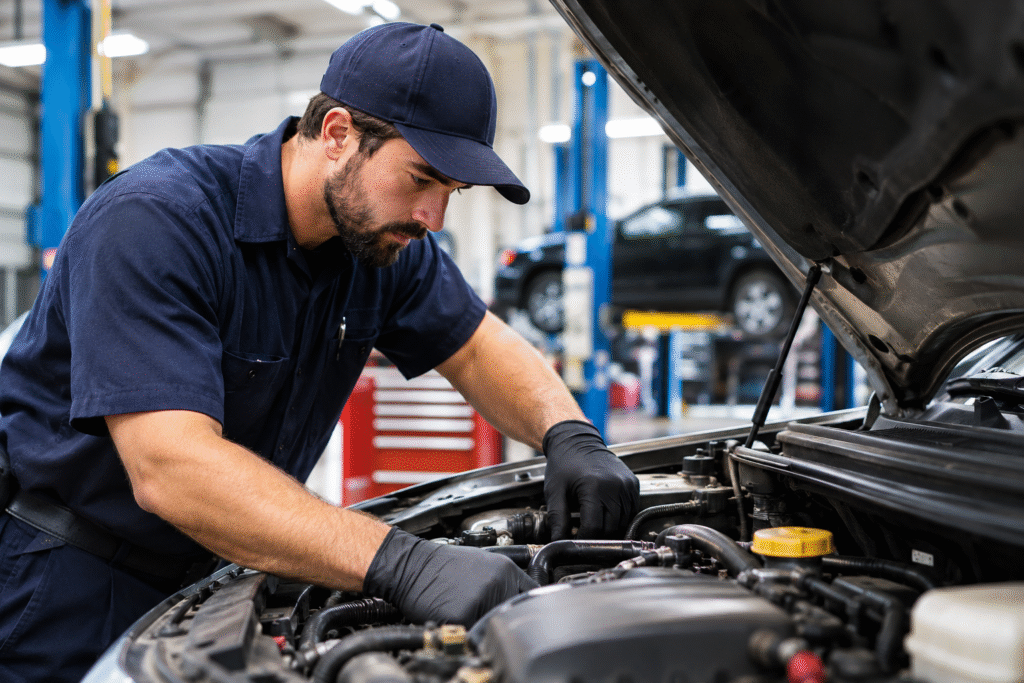
1. Test Your Car Battery Before Cold Weather Arrives
Your vehicle’s battery plays an essential role in starting the engine and powering electrical components. Although battery failures are common during winter, summer heat often contributes to the damage that causes them.
Prolonged exposure to high temperatures can weaken internal battery components, reducing their ability to provide sufficient starting power during colder mornings.
A professional battery inspection evaluates battery health, cold cranking amps, reserve capacity, and charging system performance. Technicians may also check the alternator and starter to identify potential electrical problems.
Testing your battery before temperatures drop can help prevent unexpected starting difficulties. If your battery is aging or showing signs of weakness, addressing the issue early can save you from inconvenient roadside breakdowns.
2. Inspect Your Tires and Maintain Proper Pressure
Tires are essential for safe handling, effective braking, and overall vehicle stability. As temperatures fluctuate during fall, maintaining proper tire pressure becomes increasingly important.
Tire pressure typically decreases by approximately one PSI for every 10°F temperature drop. This means tires that were properly inflated during summer may become underinflated as cooler weather arrives.
Drivers traveling along Route 17, Waterloo Road, and rural roads throughout Fauquier County should also pay attention to tire tread depth and uneven wear.
A professional tire inspection helps identify worn tread, sidewall damage, improper inflation, and balancing issues.
Properly maintained tires improve vehicle handling, support fuel efficiency, and help maintain traction on wet roads. Regular inspections can also extend tire life and reduce the likelihood of unexpected tire-related problems.
3. Replace Worn Windshield Wipers for Better Visibility
Fall weather in Northern Virginia often includes rainfall, fog, wet leaves, and reduced daylight. These conditions make clear windshield visibility essential for safe driving.
Windshield wiper blades naturally deteriorate because of sunlight exposure, temperature changes, and regular use. Over time, they may leave streaks, produce unusual noises, or fail to remove water effectively.
Before autumn rain becomes frequent, inspect your windshield wiper blades and replace them if necessary.
Checking washer fluid levels, windshield washer nozzles, and existing windshield chips is equally important.
Small chips can expand into larger cracks when temperatures fluctuate significantly.
Maintaining your windshield and wiper system is a relatively inexpensive preventive measure that helps improve visibility during challenging weather conditions.
4. Check Your Engine Cooling System
Your vehicle’s cooling system is important throughout the year, not just during summer.
Engine coolant helps regulate operating temperatures, protects against freezing, and reduces corrosion inside critical engine components.
Over time, coolant may lose its protective properties. Aging hoses, worn seals, or minor leaks can also increase the risk of overheating and mechanical problems.
A comprehensive cooling system inspection includes examining the radiator, water pump, heater hoses, coolant reservoir, pressure cap, and coolant concentration.
Technicians can identify leaks or deteriorating components before they lead to more expensive repairs.
Maintaining the correct coolant mixture and ensuring the system operates efficiently helps protect your engine as temperatures change.
Addressing small cooling system concerns during fall can prevent unexpected problems during winter driving.
5. Schedule an Oil Change Before Colder Mornings
Engine oil lubricates moving components, reduces friction, and helps protect the engine against excessive wear.
As temperatures decrease, oil viscosity changes, making the correct oil grade essential for maintaining effective lubrication during cold starts.
If your vehicle is approaching its recommended oil change interval, scheduling service before colder weather can support consistent engine performance.
Fresh engine oil of the manufacturer-recommended specification helps maintain lubrication and protects vital engine components.
Routine oil change appointments also provide an opportunity to inspect for leaks and identify other developing maintenance concerns.
At Advanced Automotive, our experienced technicians can recommend the appropriate oil type and maintenance schedule based on your vehicle’s specifications.
Following recommended service intervals is an effective way to protect your engine and support long-term vehicle reliability.
6. Inspect Your Brakes Before Wet Road Conditions
Reliable brakes are essential in every season, but they become particularly important during rainy fall weather.
Wet pavement, fallen leaves, and reduced visibility can create challenging driving conditions throughout Warrenton and surrounding communities.
A professional brake inspection helps evaluate the condition of brake pads, rotors, calipers, brake fluid, hoses, and parking brake components.
Warning signs such as squealing, grinding noises, vibration during braking, or reduced stopping performance should never be ignored.
Addressing worn brake components early can help maintain safe braking performance and reduce the risk of additional damage.
Regular brake inspections also allow technicians to identify which components require attention and which remain in good condition.
Maintaining your braking system provides greater confidence when navigating changing road conditions throughout the fall season.
7. Inspect Your Heating, Defroster, and Cabin Air Filter
As colder mornings approach, your vehicle’s heating and ventilation system becomes essential for both comfort and safety.
A properly functioning heater keeps the cabin comfortable, while the defroster helps remove condensation and maintain clear windshield visibility.
Seasonal HVAC inspections typically include checking heater performance, blower motor operation, cabin air filters, defroster efficiency, and climate controls.
Cabin air filters can accumulate dust, pollen, and leaves during warmer months. When clogged, they may restrict airflow and reduce ventilation performance.
Replacing a dirty cabin air filter can improve airflow and help the heating system operate more effectively.
Checking these components before the first cold morning helps ensure your vehicle remains comfortable and safe during daily travel.
Why Preventive Fall Maintenance Matters in Warrenton
Preventive maintenance helps identify developing mechanical problems before they become major repairs.
Weak batteries, worn tires, coolant leaks, and aging brake components may remain unnoticed until changing weather conditions expose their weaknesses.
Scheduling a seasonal inspection allows drivers to address these concerns before they cause unexpected breakdowns.
Fall vehicle maintenance also helps improve reliability, protect essential components, and potentially reduce long-term ownership costs.
For drivers commuting throughout Warrenton, Gainesville, Haymarket, and Manassas, maintaining a dependable vehicle is especially important during changing weather conditions.
Fall Car Maintenance Costs in Warrenton, VA
Seasonal maintenance costs depend on your vehicle’s condition and the services required.
A basic fall vehicle inspection typically ranges from $50 to $150, while oil changes generally cost between $60 and $120.
Battery replacements may range from $180 to $350, coolant services from $150 to $250, and windshield wiper replacements from $30 to $80.
These are general estimates, and actual prices vary depending on vehicle specifications and service requirements.
At Advanced Automotive, customers receive written estimates before repairs begin, ensuring transparency and informed maintenance decisions.
Trust Advanced Automotive for Professional Fall Car Maintenance
With more than 35 years of automotive repair experience, Advanced Automotive provides dependable maintenance and repair services for drivers throughout Northern Virginia.
Our ASE-certified technicians use professional diagnostic equipment to inspect critical vehicle systems and recommend appropriate maintenance solutions.
We stand behind our repairs with a 12-month/12,000-mile warranty on parts and labor. Free towing is available with qualifying repairs, along with free local pickup and delivery for many customers in the Warrenton and Gainesville areas.
Preparing your vehicle before colder temperatures arrive can help improve safety, reliability, and driving confidence.
For professional fall vehicle maintenance, contact Advanced Automotive at (703) 665-1818 or visit 13380 University Blvd, Gainesville, VA.
We proudly serve Warrenton, Gainesville, Haymarket, Bristow, Manassas, and surrounding Northern Virginia communities.
Keep your vehicle ready for the changing seasons with trusted automotive maintenance from Advanced Automotive.
 Oil Change Gainesville

 Auto Brake Repair Gainesville, VA
 Towing Services Gainesville
 Fleet Services Gainesville
 Virginia Safety & Emissions Inspections
 Air Conditioning & Heating
 Wheel Alignment Warrenton
 Vehicle Diagnostic
 Auto Transmission Repair