

 Locations
 Hours
Hours Call Us Now
 Book Appointment


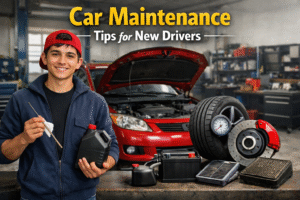
Driving your first car is an exciting experience. It gives you freedom, independence, and confidence. However, owning a vehicle also comes with responsibilities. Many first-time drivers focus only on fuel and driving skills, but proper car maintenance is equally important for safety, performance, and avoiding expensive repairs.
Regular vehicle maintenance helps improve fuel efficiency, extends the life of the car, and reduces the risk of breakdowns. Understanding a few basic maintenance tasks can make a huge difference in keeping your vehicle in excellent condition.
Why Car Maintenance Is Important
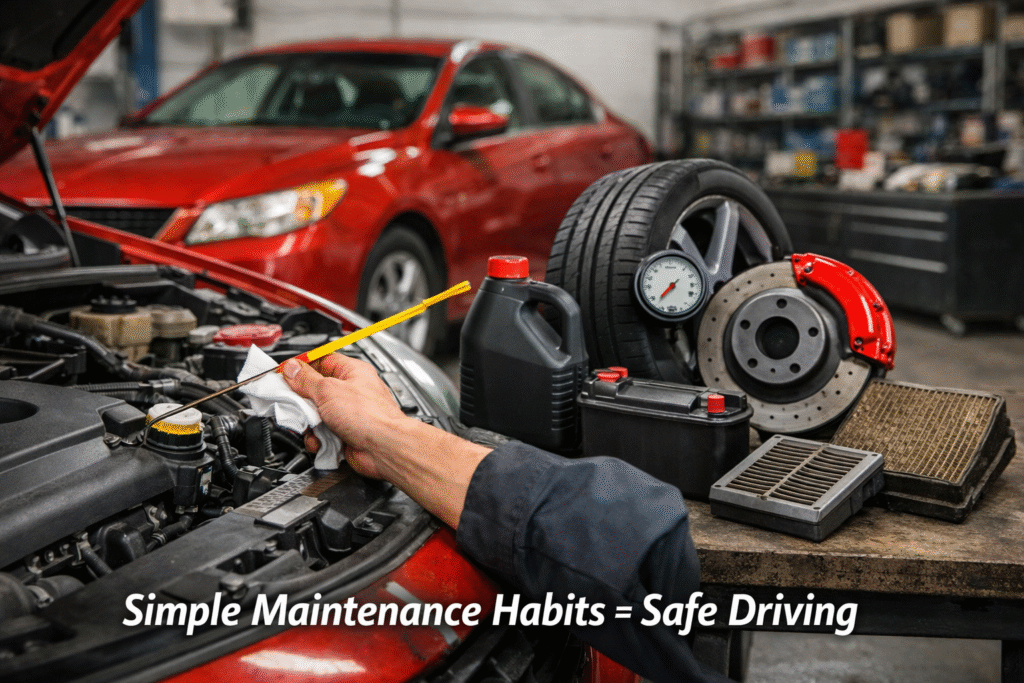
Every vehicle contains several moving parts that work together continuously. Without proper maintenance, these parts wear out quickly and may lead to major repairs. Routine inspections and servicing help identify small issues before they become expensive problems.
Benefits of regular car maintenance include:
- Improved road safety
- Better fuel efficiency
- Longer vehicle lifespan
- Reduced repair costs
- Improved driving performance
- Increased resale value
For first-time drivers, learning these basics early can help build good vehicle care habits.
Never Skip Oil Changes
Engine oil is one of the most important fluids in a vehicle. It lubricates engine components, reduces friction, and helps control heat. Over time, oil becomes dirty and loses effectiveness.
Signs Your Car Needs an Oil Change
- Engine noise becomes louder
- Oil appears dark or dirty
- Oil warning light appears
- Reduced fuel efficiency
- Burning smell from the engine
How Often Should Oil Be Changed?
Most vehicles require an oil change every 5,000 to 10,000 miles depending on the type of oil and manufacturer recommendations. Always check the owner’s manual for the correct schedule.
Regular oil changes help protect the engine and prevent serious mechanical damage.
Check Tire Pressure Regularly
Tires are the only part of the vehicle that directly touches the road. Maintaining proper tire pressure improves safety, fuel economy, and tire lifespan.
Problems Caused by Low Tire Pressure
- Poor fuel efficiency
- Uneven tire wear
- Reduced vehicle control
- Longer stopping distance
- Increased risk of tire blowouts
Simple Tire Pressure Check
- Check pressure when tires are cold
- Use a tire pressure gauge
- Compare PSI with the recommended level on the driver-side door sticker
- Add or release air as needed
Regular tire checks are especially important before long trips.
Pay Attention to Brake Problems
Brakes are one of the most critical safety systems in a vehicle. Ignoring brake issues can lead to dangerous driving conditions and costly repairs.
Common Brake Warning Signs
- Squeaking sounds
- Grinding noise
- Vibrations while braking
- Soft brake pedal
- Vehicle pulling to one side
Replacing brake pads early is far less expensive than replacing damaged rotors and other brake components.
Understand Dashboard Warning Lights
Modern vehicles use dashboard warning lights to alert drivers about possible problems. First-time drivers should understand what these warning lights mean.
Important Warning Lights
Check Engine Light
May indicate:
- Engine sensor problems
- Fuel system issues
- Ignition faults
- Emission system problems
Battery Warning Light
Could indicate:
- Weak battery
- Alternator issues
- Charging system failure
Oil Pressure Light
This warning requires immediate attention because low oil pressure can damage the engine quickly.
Tire Pressure Monitoring System (TPMS)
Indicates low tire pressure or sensor malfunction.
Ignoring warning lights can turn small problems into major repairs.
Replace Air Filters on Time
Air filters prevent dust and debris from entering the engine. Dirty air filters reduce engine efficiency and performance.
Benefits of Clean Air Filters
- Better acceleration
- Improved fuel economy
- Reduced emissions
- Longer engine life
Signs of a Dirty Air Filter
- Poor acceleration
- Decreased mileage
- Dirty filter appearance
- Engine performance issues
Air filter replacement is simple and affordable but highly important.
Monitor Vehicle Fluids
Vehicles depend on several fluids to function properly. Low fluid levels may indicate leaks or maintenance issues.
Important Fluids to Check
Engine Oil
Protects engine parts from wear.
Coolant
Prevents engine overheating.
Brake Fluid
Supports proper brake performance.
Transmission Fluid
Protects transmission components and ensures smooth gear shifting.
Power Steering Fluid
Helps maintain smooth steering operation.
Checking fluids regularly can help prevent unexpected breakdowns.
Rotate Tires Regularly
Tires wear differently depending on their position on the vehicle. Tire rotations promote even wear and extend tire lifespan.
Benefits of Tire Rotation
- Longer tire life
- Better handling
- Improved fuel economy
- Smoother driving experience
Recommended Rotation Interval
Most manufacturers recommend tire rotation every 5,000 to 7,500 miles.
Combining tire rotations with oil changes helps maintain a consistent service schedule.
Take Care of the Battery
Weather conditions can affect battery performance significantly. Heat and cold both reduce battery efficiency over time.
Signs of Battery Problems
- Slow engine start
- Dim headlights
- Electrical malfunctions
- Frequent jump-starts
Most car batteries last between three to five years. Regular battery testing helps avoid sudden failures.
Follow the Maintenance Schedule
Every vehicle manufacturer provides a maintenance schedule in the owner’s manual. Following this schedule keeps the vehicle operating efficiently.
Common Scheduled Services
- Oil changes
- Brake inspections
- Tire rotations
- Fluid replacement
- Belt inspections
- Spark plug replacement
- Cooling system maintenance
Ignoring scheduled maintenance often leads to expensive repairs later.
Schedule Professional Inspections
Even when a vehicle seems to run normally, professional inspections can detect hidden problems early.
Technicians can identify:
- Fluid leaks
- Brake wear
- Suspension damage
- Tire issues
- Battery weakness
Preventive maintenance saves money and improves vehicle reliability.
Essential Maintenance Checklist for First-Time Drivers
Every first-time driver should remember these basic services:
✔ Regular oil changes
✔ Tire pressure checks
✔ Tire rotations
✔ Brake inspections
✔ Battery testing
✔ Fluid inspections
✔ Air filter replacement
✔ Dashboard warning light checks
Following these maintenance habits can prevent many major vehicle problems.
Tips for New Drivers to Keep Their Cars Safe
- Avoid aggressive driving
- Drive smoothly and carefully
- Keep emergency tools in the car
- Wash the vehicle regularly
- Avoid overloading the car
- Listen for unusual noises
- Never ignore warning signs
Good driving habits also contribute to better vehicle health.
Conclusion
Car maintenance is one of the most important responsibilities for first-time drivers. Learning basic maintenance practices can help improve safety, prevent costly repairs, and extend the lifespan of the vehicle.
Simple habits like regular oil changes, tire pressure checks, brake inspections, and fluid monitoring can keep a car running smoothly for years. Understanding warning signs and following the manufacturer’s maintenance schedule helps drivers avoid unexpected breakdowns and expensive mechanical problems.
Proper vehicle care not only improves performance but also gives first-time drivers confidence and peace of mind on the road.
If you are looking for professional car maintenance services, oil changes, brake inspections, tire care, or complete vehicle diagnostics, contact us today.
Advanced Automotive
13380 University Blvd
Gainesville, VA
Phone: (703) 665-1818
 Oil Change Gainesville
 Auto Brake Repair Gainesville, VA
  Towing Services Gainesville
  Fleet Services Gainesville
  Virginia Safety & Emissions Inspections
  Air Conditioning & Heating
  Wheel Alignment Warrenton
  Vehicle Diagnostic
  Auto Transmission Repair