

 Locations
 Hours
Hours Call Us Now
 Book Appointment


We are Advanced Automotive, a family-run auto repair shop that has served Gainesville, Warrenton, and the surrounding areas for over thirty years. We have worked closely with the fleet managers of Manassas, Bristow, Haymarket, Centreville, and beyond. A frequent question we receive is whether preventive maintenance or proactive repairs are more beneficial when it comes to fleet management. The choice you make will greatly impact your fleet’s reliability as well as safety, and the operating expenses.
This blog explains the distinctions and real-world examples, as well as why proactive maintenance is the best long-term plan of action.
What Is Preventive Maintenance?
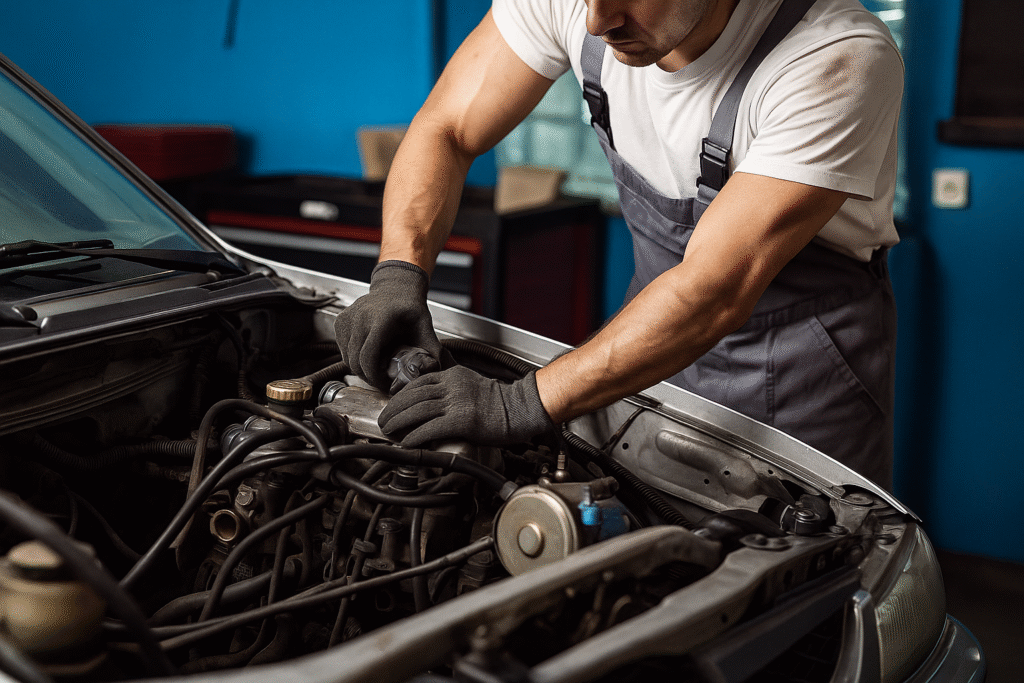
Preventive maintenance is the process of servicing vehicles regularly, even when everything seems fine, to decrease the risk of vehicle breakdowns and prolong their lifespan. Some of the most popular preventive services are
- Filter and oil changes are scheduled on the calendar.
- Inspections of brakes and the replacement
- Alignment checks and tire rotations
- Inspections of fluid level and top-offs
- Routine safety checks and performance tests
Fleet managers in Leesburg, Aldie, Sterling, as well as South Riding, rely on preventive maintenance to spot small problems prior to them becoming expensive, major issues. This proactive approach helps keep vehicles reliable and assures the smooth running of their daily activities.
What Are Reactive Repairs?
Reactive repairs are only done after an issue occurs. The warning light comes on, or a tire is damaged, or the engine fails to start, and the repair process starts. Although this approach may seem less expensive at first, it comes with a number of hidden costs, for example:
- Emergency repair expenses
- Unplanned downtime of the vehicle
- Parts and labor costs are more expensive.
- Risks to safety for drivers and cargo
Fleet managers who depend solely on repairs that are reactive often have to deal with unpredictability in disruptions, delayed delivery times, and rising repair costs.
Preventive Maintenance in Contrast to Reactive Repairs: The Key Differences
| Aspect | Preventive Maintenance | Reactive Repairs |
|---|---|---|
| Cost Predictability | Budget-friendly and well-planned | Expensive and unexpected |
| Vehicle Lifespan | Enhances life span | Reduces the service life |
| Downtime | Very low | Disruptive and frequent |
| Safety | Strong risk reduction | Risks to safety are increasing |
| Efficiency | Enhances the performance of engines and fuels. | Often reduces efficiency |
Through our hands-on experiences from our hands-on experience at Advanced Automotive in Gainesville, preventive maintenance is a constant tool that helps owners of fleets save money. It also helps secure the vehicles and keep drivers protected.
Real Costs of Skipping Preventive Maintenance
A lot of fleet problems arise due to routine maintenance being delayed or not being done. Here are some actual scenarios we’ve witnessed:
- Skipped Oil Changes
A delivery company did not make oil changes for a period of six months. This resulted in thick engine sludge and repair costs of more than $2,500 per vehicle, costs that could have been prevented. - Delay in Brake Maintenance
Inattention to brake inspections led to worn pads, causing damage to the rotors. This turned a $150 repair into a $1200 repair. - Incorrectly inflated tires
Inflated tires and too low or damaged tires resulted in blowouts, alignment problems, and road accidents, which resulted in unplanned downtime and increased operating expenses.
These cases show how costly reactive repairs can be as compared to preventive maintenance.
Benefits of Preventive Maintenance for Fleets
The fleet managers of Marshall, The Plains, Middleburg, and Culpeper usually see improvement when they switch to scheduled maintenance. The benefits are numerous, including
Lower Long-Term Costs
Small, consistent services can prevent major mechanical breakdowns and urgent repair charges.
Reduced Downtime
Clean vehicles are more likely to spend time on the open road and less time in the garage.
Improved Safety
A healthy set of brakes, tires, suspension, and steering systems lowers the chance of accidents and also protects drivers.
Better Fuel Economy
Fresh oil, clean filters, and accurate tire pressures ensure that tires and engines run effectively, which reduces fuel consumption.
Extended Vehicle Lifespan
Regular maintenance helps keep vehicles running longer, which means lower costs of turnover and improved the value of resales.
How to Build a Strong Preventive Maintenance Program
The process of creating a reliable preventive maintenance program doesn’t have to be complex. Fleet managers can follow this easy plan of action:
- Review your fleet
Examine vehicles, types of vehicles, patterns of usage, and routes. - Create a Service Plan
Create a schedule for regular brake checks and oil changes, as well as tire rotations and inspections, based on the manufacturer’s guidelines and actual use. - Follow All Maintenance
Keep service records and repair histories for each vehicle to keep track of trends and to avoid missing appointments. - Train drivers
The driver must be alerted to unusual sounds or warning lights, as well as any performance changes, right away. - Partner with a Reliable shop
Partnering with a reputable, family-owned repair shop located in Gainesville, Warrenton, or Haymarket will ensure that your fleet is receiving consistent and high-quality maintenance.
This method of organization helps to keep your fleet running optimally.
When Reactive Repairs Are Unavoidable
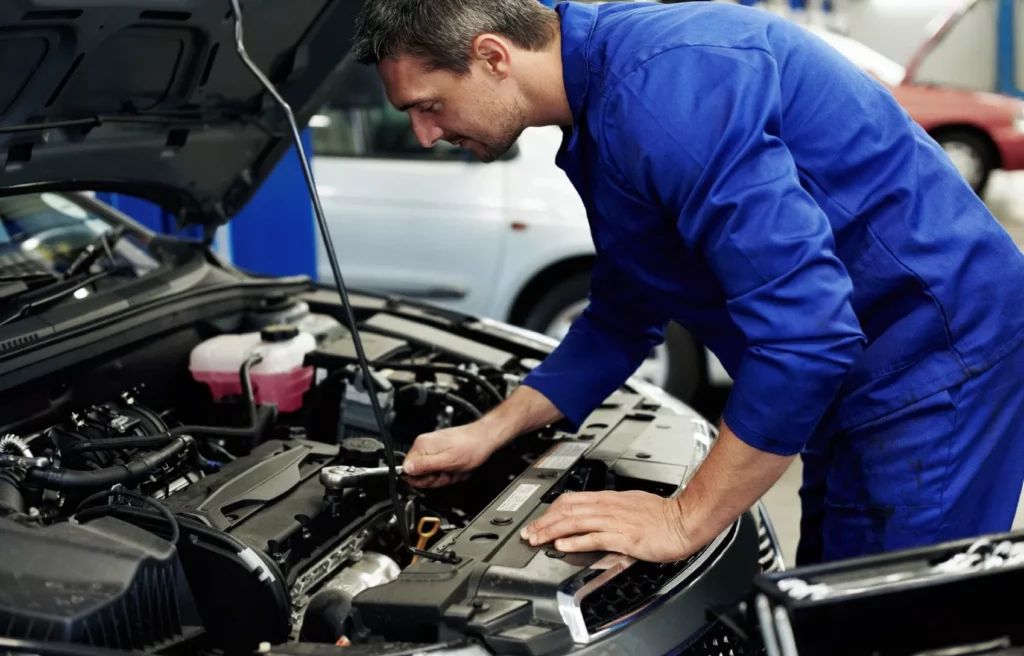
Even with the best prevention, sudden problems may still occur. This could include:
- Collision damage
- Problems related to the weather
- The sudden failure of a component
A well-balanced maintenance approach recognizes that, while preventive maintenance can reduce the likelihood and severity of breakdowns, some reactive repairs are always required. The goal is to reduce the amount of time needed to make them.
Conclusion
Based on years of experience from Advanced Automotive, preventive maintenance is by far the most efficient method of managing the fleet. It cuts down on unexpected expenses as well as protects drivers, guarantees constant performance, and ensures that your vehicles are in operation.
If you own your business within Gainesville, Warrenton, Haymarket, Bristow, Manassas, Centreville, Chantilly, Fairfax, Aldie, Sterling, Leesburg, South Riding, Marshall, The Plains, Middleburg, or Culpeper, our team will assist you in creating a custom maintenance plan that safeguards investments and keeps the company going.
 Oil Change Gainesville
 Auto Brake Repair Gainesville, VA
  Towing Services Gainesville
  Fleet Services Gainesville
  Virginia Safety & Emissions Inspections
  Air Conditioning & Heating
  Wheel Alignment Warrenton
  Vehicle Diagnostic
  Auto Transmission Repair