

 Locations
 Hours
Hours Call Us Now
 Book Appointment


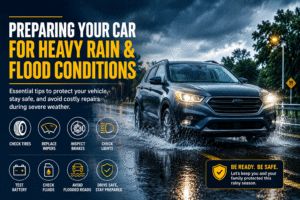
Heavy rainstorms are a regular part of life in Northern Virginia, especially during the spring, summer, and hurricane seasons. Drivers in Gainesville, Haymarket, Bristow, Manassas, Warrenton, Centreville, Fairfax, Chantilly, Aldie, Leesburg, Sterling, South Riding, Marshall, The Plains, Middleburg, and Culpeper often encounter sudden downpours, flooded roads, poor visibility, and slippery driving conditions.
At Advanced Automotive Inc we’ve been helping local drivers stay safe on the road for more than 35 years. One of the most important but often overlooked aspects of vehicle ownership is preparing your car before severe weather arrives.
Many drivers assume that if their vehicle performs well on dry roads, it’s ready for heavy rain. However, rainy weather can expose hidden problems with your tires, brakes, windshield wipers, battery, lighting, and electrical system. Fortunately, routine preventative maintenance can greatly reduce your risk of accidents, breakdowns, and costly repairs.
In this guide, we’ll explain how heavy rain affects your vehicle, what warning signs to watch for, and the essential maintenance services that help keep you and your family safe.
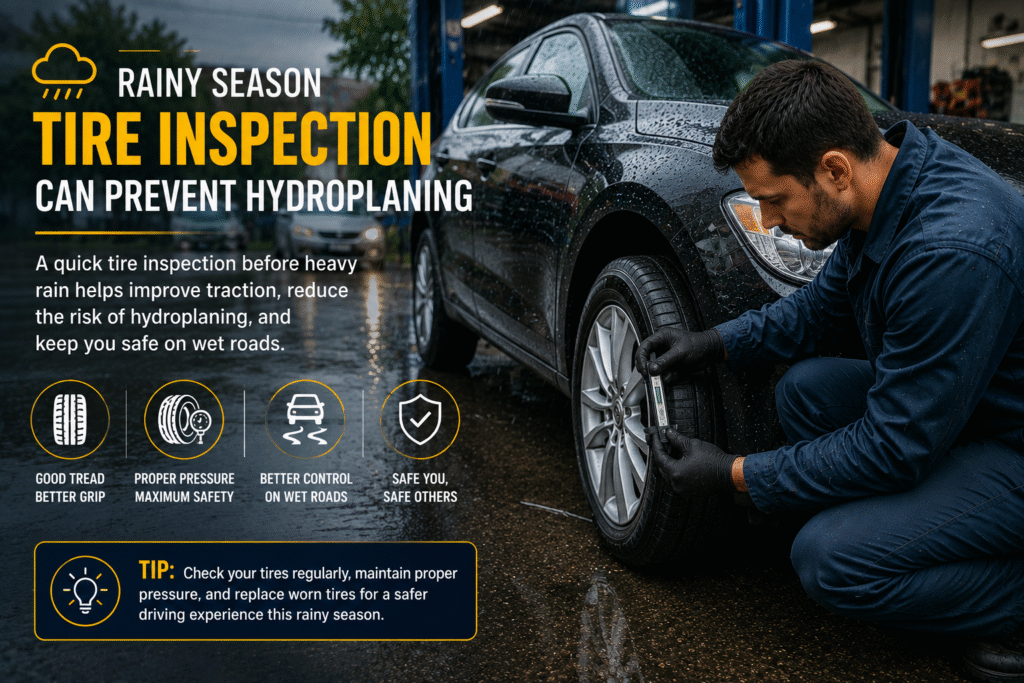
Why Heavy Rain Is More Dangerous Than Most Drivers Realize
Wet roads create hazardous driving conditions that increase the likelihood of accidents. Even a thin layer of standing water can reduce tire traction, increase stopping distances, and make it more difficult to maintain vehicle control.
Common hazards during heavy rain include:
- Reduced visibility
- Hydroplaning
- Longer braking distances
- Flooded roadways
- Electrical system exposure
- Tire traction loss
- Road debris
Drivers throughout Gainesville and surrounding communities frequently encounter these conditions during severe thunderstorms, making vehicle preparation essential.
What Is Hydroplaning?
Hydroplaning occurs when your tires lose contact with the road surface and begin riding on top of standing water. When this happens, your vehicle temporarily loses steering, braking, and traction, making it difficult or impossible to control.
Common Causes of Hydroplaning
Several factors increase the risk of hydroplaning, including:
- Worn tires
- Excessive driving speed
- Standing water
- Incorrect tire pressure
- Heavy rainfall
How to Reduce the Risk of Hydroplaning
You can significantly reduce your risk by following these simple steps:
- Maintain the correct tire pressure.
- Replace worn tires before the tread becomes unsafe.
- Slow down during heavy rain.
- Avoid sudden braking or sharp steering movements.
- Keep your tires properly aligned.
At Advanced Automotive Inc., tire inspections are one of the most common preventative services we recommend before storm season begins.
Your Tires Are Your First Line of Defense
Your tires are designed with tread patterns that channel water away from the contact surface, helping maintain traction on wet roads.
As tire tread wears down, this ability decreases, increasing the likelihood of hydroplaning and poor vehicle handling.
Signs You May Need New Tires
Watch for these warning signs:
- Low tread depth
- Uneven tire wear
- Cracks in the sidewalls
- Frequent loss of tire pressure
- Tire vibrations while driving
Many drivers from Haymarket, Bristow, Manassas, and Warrenton visit us before the rainy season for tire inspections and replacements.
Windshield Wipers Play a Critical Role in Safety
Clear visibility is essential during heavy rain. Worn windshield wiper blades can leave streaks, skip across the windshield, or fail to remove water effectively.
Signs Your Wiper Blades Need Replacement
Replace your wipers if you notice:
- Streaking
- Skipping across the windshield
- Squeaking noises
- Torn or cracked rubber
- Reduced visibility during rain
Most manufacturers recommend replacing windshield wiper blades every 6 to 12 months.
Make Sure Your Lights Are Working Properly
Heavy rain reduces visibility for everyone on the road. Properly functioning headlights and exterior lights help you see obstacles while making your vehicle more visible to other drivers.
Check These Lights Before Storm Season
Inspect your:
- Headlights
- Brake lights
- Turn signals
- Reverse lights
- Hazard lights
A quick lighting inspection can make a significant difference during severe weather.
Wet Roads Put Extra Stress on Your Brakes
Braking distances naturally increase on wet roads because water reduces tire grip.
Even a healthy brake system requires more distance to stop safely during heavy rain.
Signs Your Brakes Need Service
Have your brakes inspected if you notice:
- Grinding noises
- Squealing sounds
- Soft brake pedal
- Vehicle pulling while braking
- Vibrations when stopping
Our ASE-certified technicians perform comprehensive brake inspections to help drivers throughout Gainesville and Northern Virginia stay safe in all weather conditions.
Protect Your Vehicle’s Electrical System
Modern vehicles rely on sophisticated electronic systems that are vulnerable to water intrusion.
Excessive moisture or floodwater can damage:
- Sensors
- Wiring harnesses
- Vehicle computers
- Electrical connectors
- Battery terminals
Warning Signs of Electrical Moisture Damage
Look for:
- Flickering lights
- Dashboard warning lights
- Starting problems
- Electrical malfunctions
- Battery-related issues
Routine inspections help identify vulnerable components before heavy rain causes expensive electrical repairs.
Test Your Battery Before Storm Season
Rainy weather places additional demands on your vehicle’s electrical system.
During storms, your battery must power:
- Headlights
- Windshield wipers
- Defrosters
- Climate control systems
- Interior electronics
A weak battery may struggle under these increased electrical loads.
Battery Warning Signs
Watch for:
- Slow engine cranking
- Corrosion on battery terminals
- Dimming headlights
- Electrical glitches
- Frequent jump starts
Annual battery testing can help prevent unexpected breakdowns during severe weather.
Don’t Forget About Your Vehicle’s Fluids
Proper fluid levels are essential for safe vehicle operation during rainy conditions.
Make sure these fluids are inspected regularly:
- Engine oil
- Brake fluid
- Coolant
- Transmission fluid
- Windshield washer fluid
Keeping your washer fluid reservoir full is especially important during rainy weather, as mud, dirt, and road spray can quickly reduce visibility.
Prepare Your Vehicle Before Storm Season
Before the rainy season begins, it’s a good idea to schedule a complete vehicle inspection.
Rainy Weather Vehicle Checklist
✔ Inspect tire tread and tire pressure
✔ Test the battery
✔ Replace worn windshield wipers
✔ Check headlights and exterior lights
✔ Inspect brakes
✔ Verify all fluid levels
✔ Inspect belts and hoses
✔ Test the cooling system
✔ Check the charging system
A preventative inspection can help you avoid unexpected repairs when severe weather strikes.
Safe Driving Tips During Heavy Rain
Even a well-maintained vehicle requires careful driving during storms.
Keep these safety tips in mind:
- Reduce your speed.
- Increase your following distance.
- Turn on your headlights.
- Avoid sudden steering or braking.
- Never use cruise control on wet roads.
- Stay away from flooded roadways whenever possible.
If visibility becomes extremely poor, safely pull over until conditions improve.
Why Drivers Trust Advanced Automotive Inc.
For more than 35 years, Advanced Automotive Inc. has proudly served drivers throughout Gainesville and Northern Virginia with honest, reliable automotive care.
Our ASE-certified technicians provide:
- Comprehensive vehicle inspections
- Tire services
- Brake repairs
- Battery testing
- Electrical diagnostics
- Preventative maintenance
- Honest recommendations
- Quality workmanship
Whether you’re preparing for storm season or simply want peace of mind before your next trip, our experienced team is here to help.
Schedule Your Rainy Season Vehicle Inspection Today
Heavy rain and flood conditions can create serious challenges for both drivers and vehicles. The best way to stay safe is through regular preventative maintenance and timely inspections.
At Advanced Automotive Inc, we’re committed to helping drivers throughout Gainesville and Northern Virginia prepare their vehicles for every season.
Whether you need a tire inspection, brake service, battery testing, or a complete multi-point inspection, our experienced technicians are ready to help.
Call us today: (703) 665-1818
Visit us at:
Advanced Automotive Inc.
13380 University Blvd
Gainesville, VA
 Oil Change Gainesville
 Auto Brake Repair Gainesville, VA
  Towing Services Gainesville
  Fleet Services Gainesville
  Virginia Safety & Emissions Inspections
  Air Conditioning & Heating
  Wheel Alignment Warrenton
  Vehicle Diagnostic
  Auto Transmission Repair