

 Locations
 Hours
Hours Call Us Now
 Book Appointment



Does your car not accelerate in the same way it did in the past? Are you experiencing a slight delay when you press the gas pedal? Have you noticed that your efficiency has drastically decreased? A lot of drivers believe that it’s because their car is getting older. A car that’s lagging can be a signal that something isn’t operating correctly beneath the under the hood.
According to highly experienced technicians from Advanced Automotive Small performance issues should not be overlooked. If they are addressed in the early stages they are typically simple and inexpensive to repair. However, if they’re not taken care of they could turn into major and costly repairs. Let’s look at the most frequent causes that your vehicle might feel slow, and what you can do about it. solve the issue.
1 Air Filter Clogged
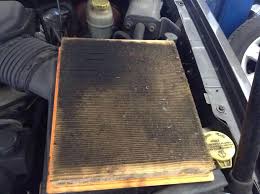
The engine needs fresh air to run efficiently. As time passes the air filter accumulates dirt, dust and other particles. If it is blocked the flow of air towards the engine gets reduced which reduces the power of the engine in the engine and fuel consumption.
Common signs include:
- Slow acceleration
- Gas mileage is reduced
- Performance of the engine is rough
The replacement of a dirty air filter isn’t expensive and will instantly increase the responsiveness of your engine.
2 Fuel System Problems
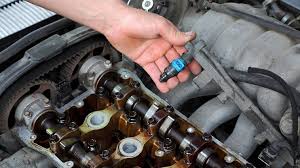
If the fuel injectors have become polluted or the fuel filter is blocked your engine may not get the right volume of fuel. This could affect the efficiency and performance of your vehicle.
Warning signs:
- Engine hesitation
- It is difficult to start
- Lower fuel efficiency
A professional fuel system clean will restore an even acceleration, and improve the overall performance of your engine.
3. Worn Spark Plugs
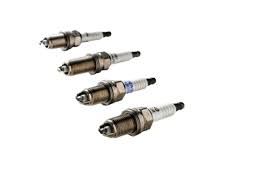
Spark plugs light the mixture of fuel and air in the engine. If they are worn out the combustion process becomes less efficient.
You may notice:
- Engine fires up
- Vibrations during idle
- Power reductions
A regular replacement of the spark plug assures a constant engine performance and provides smoother driving.
4 Transmission Issues
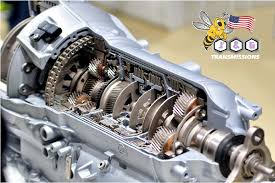
If the engine sounds good however your vehicle struggles to accelerate, the transmission might be the cause.
Signs of troublesome transmission are:
- Shifting delayed
- Slipping gears
- The smell of burning
- Leaks in transmission fluid
Problems with transmissions should be addressed promptly to avoid expensive damage.
5. Dirty Airflow Mass Sensors
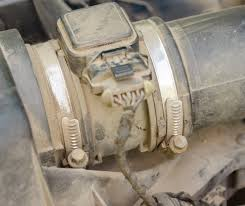
Sensor for mass airflow (MAF) sensor determines how much air is entering in the engine. It adjusts the fuel delivery in accordance with the measurement. When it is dirty, it transmits incorrect information to the computer in the engine.
Possible signs:
- Insufficient throttle response
- Check engine light
- Stalling
The replacement or cleaning of this sensor will greatly improve the performance.
6 Exhaust System Blockage
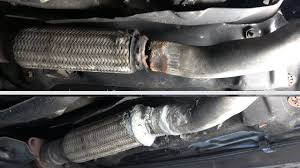
A blocked catalytic converter or a restricted exhaust system could hold gases in the engine. This decreases the power and can affect acceleration.
Indicators may include:
- The acceleration is slow and sluggish.
- The sound of rattling
- Odors that are unusual
Emissions issues can also affect exhaust compliance as well as overall efficiency of the engine.
7 Engines are dirty or have low levels. Oil
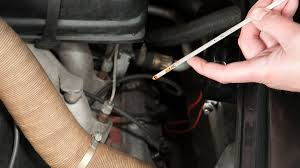
Oil reduces friction and helps keep moving components well-lubricated. If the oil level is too low, or the engine oil has become dirty, the internal friction can increase, causing the engine to perform harder.
Regular oil changes help protect engine components and help maintain high performance.
8 Brake Drag
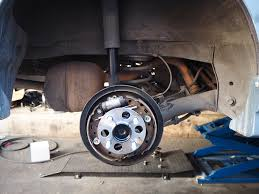
Sometimes the issue isn’t necessarily engine-related. If the brakes don’t release correctly, they produce resistance when driving.
Signs include:
- The vehicle is heavy
- Burning smell near the wheels
- Fuel efficiency is reduced.
A brake inspection is a quick way to determine and fix the problem.
9 Tire Alignment and Pressure Issues
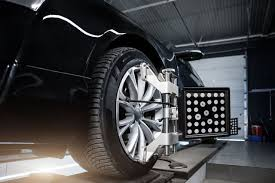
Incorrectly inflated tires or a wrong wheel alignment could make your vehicle feel unstable and slow.
Maintaining proper tire pressure:
- Accelerates faster
- Enhances fuel efficiency
- Extends tire life
Simple checks for maintenance can make a an immediate difference in the way your vehicle performs.
Why early Detection Is Important
Small problems rarely resolve themselves. They usually get more severe over time. Examples:
- A minor ignition issue can cause damage to the catalytic converter.
- A small leak in a transmission could cause a complete failure.
- Inattention to warning lights could cause engine failure.
Early detection can prevent more serious mechanical problems and lowers repair cost.
The importance of professional Diagnostics
Modern automobiles rely heavily on computers as well as electronic devices. The identification of the cause of a performance problem requires expertise and tools.
Utilizing the latest diagnostic equipment, certified technicians are able to:
- Scan onboard computers
- Analyze engine performance data
- Detect hidden mechanical problems
This strategy helps to reduce time, eliminates repairs, and provides precise repairs. In Advanced Automotive the accuracy of diagnostics is the top priority to ensure that vehicles run smoothly.
Tips for Keeping Long-Term Performance
To ensure that your vehicle is operating at its peak:
Follow the maintenance schedule of your manufacturer.
Make sure to replace filters frequently
Be aware of the fluid levels
Pay attention to warning lights immediately
Make sure you conduct regular inspections
Regular preventive care will ensure security, reliability, and more efficient fuel use.
When is the best time to schedule an Inspection?
It is recommended to seek out professional help If you observe:
- The loss of engine power
- Unusual noises
- Shaking or vibrating
- Sudden drop in fuel economy
- Dashboard warning lights
Minor modifications in performance can indicate deeper mechanical problems. Professional inspections ensure the peace of mind as well as long-term health of the vehicle.
Drivers who take their time with maintenance tend to have less breakdowns, and have less repair costs. This is why car owners across Virginia continue to depend on Advance Automotive for reliable service and professional care.
Final Thoughts
A slow-moving car isn’t something to be overlooked. While it may appear to be something minor but it is usually a sign of underlying electrical or mechanical issues. The early detection of these issues protects your investment as well as ensures more secure driving.
Your vehicle is working hard each day, from commutes to road trips and everything between. The care and attention it deserves will prolong the life of your vehicle and enhance the experience you have while driving.
A little care today can save major repairs in the future.
 Oil Change Gainesville
 Auto Brake Repair Gainesville, VA
  Towing Services Gainesville
  Fleet Services Gainesville
  Virginia Safety & Emissions Inspections
  Air Conditioning & Heating
  Wheel Alignment Warrenton
  Vehicle Diagnostic
  Auto Transmission Repair